What compelled you to pursue visual arts/music?
Ms. Donovan: I began studying under an artist in my town when I was 7 years old. As a kid, I would sit in the backseat on long car rides and look out the window and imagine how I would mix paint colors to match the world around me.
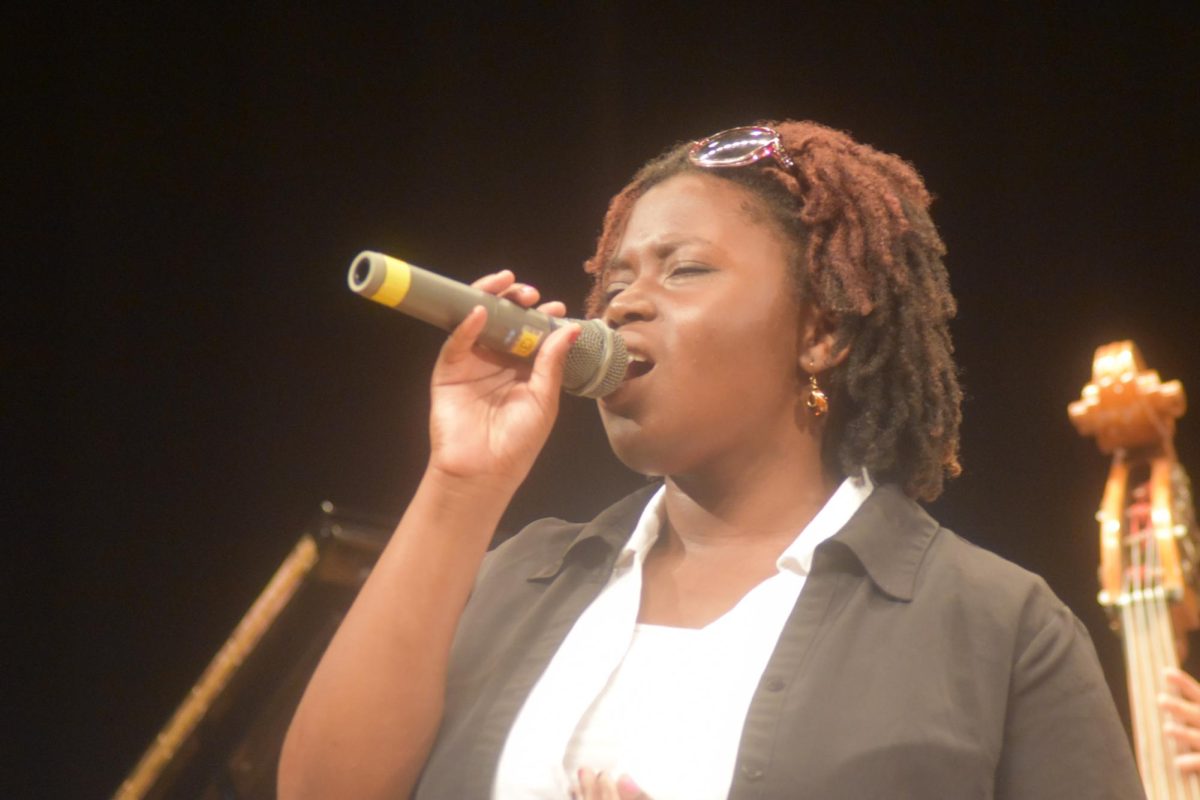
Dr. Lanier: When I was very, very young, I had a strong voice and people thought that I should sing. Once I started singing, or making any kind of music, I realized that there were all these elements of me that came together in this: a cognitive thinking part, where I figure out what to do, and a soulful part, where I can express my feelings. I feel connected to the whole universe—so how can you not create music once you’ve experienced that?
Where have you enjoyed seeing the program grow? Where have you seen it stall, and what would you like to change?
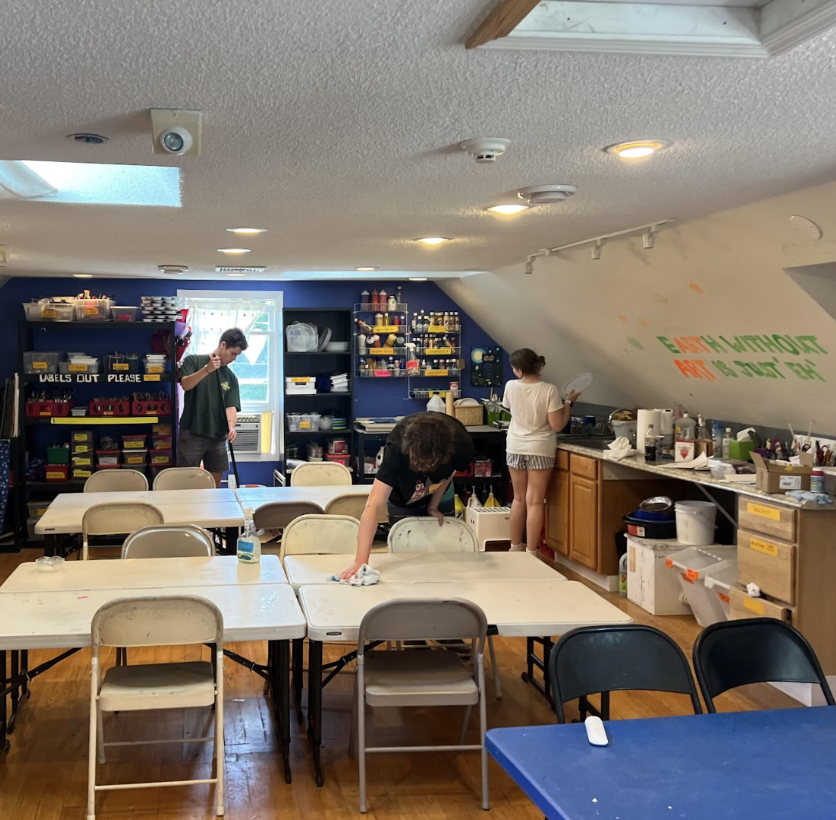
Ms. Donovan: I really love teaching art at Groton. The students bring so much excitement, intellectual curiosity, and inspiration to the studio. I have enjoyed bringing new courses and media to the curriculum: oil painting, graffiti and street art, comics and graphic novels, as well as an Advanced Portfolio class. We have been able to show off student work during our end of year Art Gala. Saturday night open studios events have made the studio more accessible. My hope is that we can continue to grow our collaboration with other departments like theater, music, wellness, and academics.
Dr. Lanier: I’m very pleased with how the numbers have grown in every area, and I love to see the increase in student-driven work. In terms of where I’d like to see us grow more, I’d love to see us creating more original music and sharing it. Students here learn to write really well in English, and I’d love to see that happening in our music program as well.
I’m also really interested in improvisation, and I’d love to see us doing that even more. Once you stop worrying about sounding good, it’s very freeing. After you have that confidence and freedom—especially in something like chamber music—then you find ways within the notated music to really make it your own.
What’s your favorite medium/project to date (your own)?
Ms. Donovan: Choosing my favorite medium is like picking my favorite dessert. That being said, it’s probably oil paint, my first love.
Can you tell us more about your doctorate? What did you pursue and why did you choose it?
Dr. Lanier: I completed my DMA (Doctor of Musical Arts) in 2024 at Boston University. I decided to do music education, and I wanted to go back to my first love—free improvisation. The title of the dissertation is “Synergies of Listening: Bakhtinian Dialogism In and Through Collective Free Improvisation”. I took the ideas of [Mikhail] Bakhtin and reframed them to describe the synergies when we improvise: creative empowerment, knowing and being known, the emergence of a collective voice, catharsis, and freedom.
The idea is that all that we do is dialogic. We’re all speakers who are voicing our perspectives, and we build our perspectives from all that we take in. In the midst of this dialogue, new ideas come up; this is what happens in improvisation.
You make these musical relationships with the people you’re improvising with. When students can start to form these relationships, it means that we can take it out of the music rooms and think about how we’re listening to each other, creating new ideas, and forming dialogue. It’s not about winning a debate, but coming to a new understanding that we cannot come to alone.
What’s your favorite piece by ANYONE?
Ms. Donovan: My favorite piece is a drawing my daughter Katie did of my daughter Emma. It is pure, perfect, and loving.
Dr. Lanier: A piece that is always incredible is Bach’s St. Matthew Passion. It combines multiple orchestras, choruses, soloists—and it’s beautiful.
What’s your advice for other artists? (beginner)
Ms. Donovan: My advice to any artist is try to have fun and be excited about what you are doing. When you are excited, you are motivated to keep working, and the more you work the more you will find inspiration and your technical skills will improve with every piece.
Dr. Lanier: My advice is to learn everything you can about anything you’re interested in; to make music as much as you can; but, most importantly, to listen carefully. The more you listen to recordings and attend live performances, the more you hear and see what music is all about, and the more ideas you get.