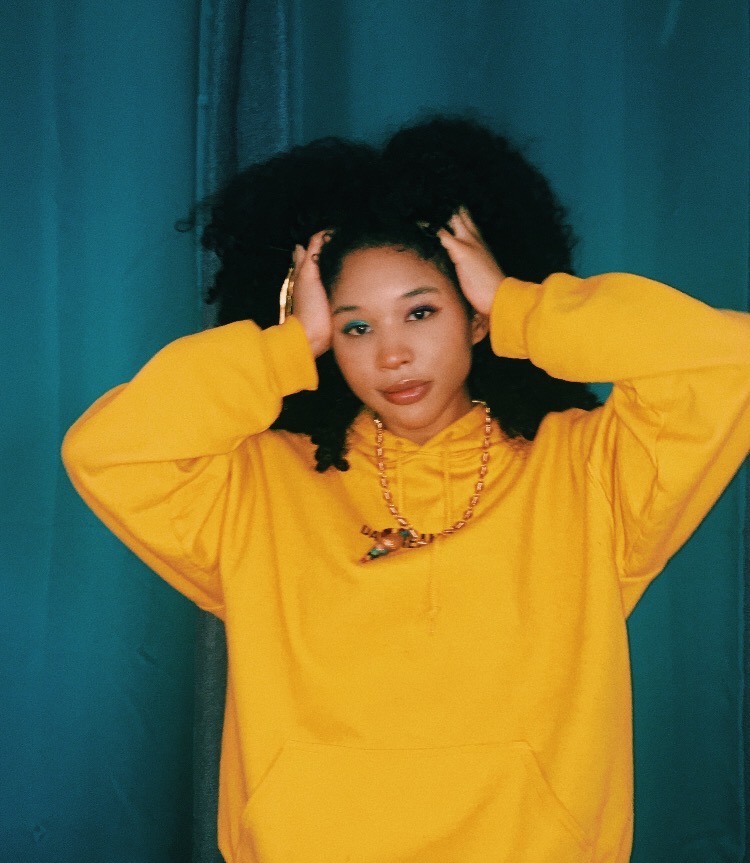
I first discovered Laufey—an Icelandic-Chinese classical cellist singer-songwriter—in 2022 through her Frank Sinatra covers. I never would have anticipated her rapid rise to fame, nor the heroic role of “jazz icon” bestowed upon her by critics. As a Gen Z-er myself, I’m not bewitched by Laufey, nor her role in music today.
Laufey is lauded for her ability to blend multiple genres. The New York Times calls her a “code-switcher,” and cites her inspiration as ranging from “Prokofiev to Chet Baker.” Labeling Laufey as such an artist sets the precedent that jazz and classical are “dying” arts that need to be mixed with pop to increase their relevance. Notwithstanding the fact that jazz and classical are not dying, and don’t need to be saved by trendiness—a point I will elaborate on later—Laufey’s sound is hardly anything new. Her voice feels like being stuck in a sauna for too long. Her orchestral motifs sound very old-school Disney, and her albums contain bite-sized pop songs that don’t remotely challenge the Gen Z/Gen Alpha attention span. Nothing about Laufey’s music is harmonically adventurous or symphonic in structure. However, her use of strings and seventh chords can be enough to deceive listeners into thinking that Laufey has employed both genres.
See, a common plight of classical or jazz listeners is to associate both genres with a visual aesthetic, a certain timbre, or, more crudely, a “vibe.” With her vintage sound and style, Laufey fits the jazz vibe, and perhaps even the classical vibe. However, by fitting these definitions perfectly, she misdefines both genres. Classical and jazz are musical behemoths, and no one piece, song, or attribute can represent them—the same goes for any other musical genre. Classical and jazz can be wild and dissonant, yet we hear none of that in Laufey’s mellow voice. Her music caricaturizes both genres. It lacks depth.
Laufey’s caricaturization of jazz and classical is exactly why she is so successful, for two reasons. The first reason ties back to my point about “dying” genres. Laufey has said that she “do[es] think jazz needs saving” because of her deep love for jazz. She has tried to prop herself up as anambassador to two niche genres. But what does “saving” a genre even mean? Should jazz musicians perform at the Super Bowl Halftime Show? Is it all about profit and visibility? Sure, jazz and classical may not appeal to the vast majority of people, but there is a thriving community of listeners and musicians who perform—just not at TD Garden.
The second reason is that Laufey’s artistic persona “sells better”. There are some musical artists who take it upon themselves to thwart labels. Take singer-songwriter Joanna Newsom, a classically-trained harpist whom I view as Laufey’s foil. Newsom is generally described as “folk” or “indie,” yet her music steals from all hemispheres of the musical world. One of the reasons Newsom isn’t popular is because she isn’t categorizable, and therefore isn’t marketable. Contrastingly, Laufey’s artistic role can easily be aestheticized with lace and frills and records and vintage-ness. Although financial success is extremely important for musicians, I still find Newsom’s complete defiance of definition and “marketability” to be the most authentic form of artistry.
So is Laufey overrated? No, I don’t think so. She writes music that’s true to herself and that other people enjoy, and her philanthropy towards youth orchestras through her foundation is incredible. However, I think society needs to stop giving Laufey made-up awards like “Gen Z’s jazz icon” for suddenly making jazz “trendy.” Music is not about popularity or profit; if one single person loves an otherwise unknown song, then that song is alive, and has its role in the musical fabric of the world.